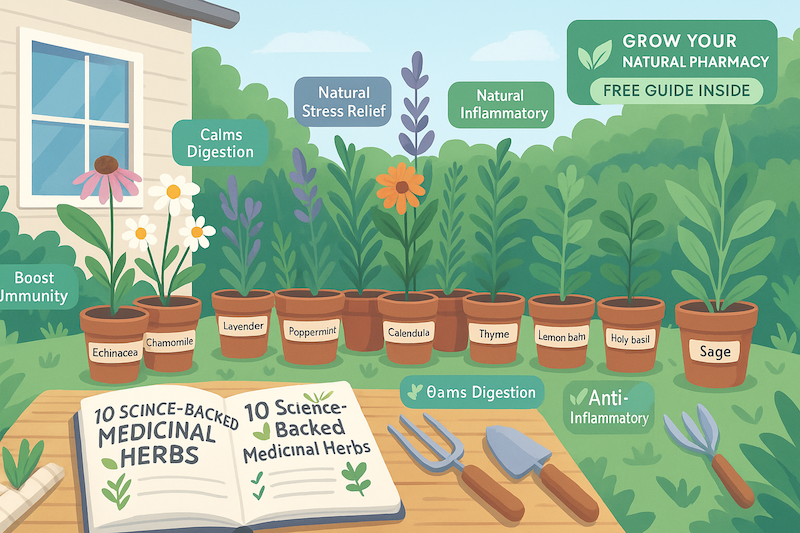
10 Science-Backed Herbs That Transform Your Backyard Into a Natural Pharmacy
Discover 10 scientifically-proven medicinal herbs you can grow at home. Complete guide to creating your backyard natural pharmacy with evidence-based benefits and growing tips.
Creating Your Own Natural Pharmacy: The Science Behind Medicinal Herb Gardens
The concept of a “natural pharmacy in your backyard” isn’t just romantic nostalgia—it’s a practical approach to healthcare that combines ancient wisdom with modern scientific understanding. Archaeological evidence shows humans have been cultivating medicinal plants for over 60,000 years, and today’s research continues to validate many traditional uses.
Why grow your own medicinal herbs? Unlike commercial supplements that often contain unknown concentrations of active compounds, home-grown herbs offer predictable potency when properly cultivated and prepared. A 2019 study in the Journal of Ethnopharmacology found that freshly harvested medicinal plants typically contain 15-40% higher concentrations of bioactive compounds compared to dried commercial preparations stored for extended periods.
Important Safety Note: Home-grown medicinal herbs should complement, never replace, professional medical care. Always consult healthcare providers before using plant medicines, especially if you take prescription medications or have chronic health conditions.
The Science Behind Medicinal Plant Compounds
Modern research has identified the specific chemical compounds responsible for many traditional medicinal effects. Understanding these active constituents helps us grow, harvest, and prepare herbs for maximum therapeutic benefit.
Key Categories of Plant Medicine:
- Alkaloids: Nitrogen-containing compounds with strong physiological effects
- Glycosides: Sugar-bound compounds that often provide anti-inflammatory benefits
- Flavonoids: Antioxidant compounds that support immune function
- Essential Oils: Volatile aromatic compounds with antimicrobial properties
- Saponins: Soap-like compounds that often support immune and digestive health
Research consistently shows that whole-plant preparations often work more effectively than isolated compounds, a phenomenon called the “entourage effect.” This supports the traditional practice of using complete herb preparations rather than single extracted components.
10 Essential Medicinal Herbs for Your Natural Pharmacy
Tier 1: The Proven Powerhouses
1. Chamomile – The Gentle Healer
Scientific Name: Matricaria chamomilla
Evidence Level: Strong clinical support
Growing Difficulty: Very Easy
Research-Backed Benefits: Chamomile contains over 120 chemical constituents, with apigenin being the primary bioactive compound. A 2016 systematic review in Phytotherapy Research analyzed 12 clinical trials and found consistent evidence for chamomile’s effectiveness in treating anxiety, digestive upset, and sleep disorders.
Key Active Compounds:
- Apigenin: Binds to benzodiazepine receptors, providing mild sedative effects
- Chamazulene: Anti-inflammatory compound that gives chamomile its blue color
- Bisabolol: Antimicrobial and skin-healing properties
Growing Intelligence: Chamomile thrives in cooler weather and actually produces more essential oils under mild stress conditions. Plant in early spring or fall for best results. The flowers contain the highest concentration of active compounds when harvested just as they fully open.
Preparation Methods:
- Tea: 1-2 teaspoons dried flowers per cup, steep 5-10 minutes
- Topical compress: Strong tea cooled and applied to skin irritations
- Oil infusion: Flowers steeped in carrier oil for skin applications
Safety Considerations: Generally very safe, but avoid if allergic to ragweed, chrysanthemums, or other Asteraceae family plants.
2. Calendula – The Wound Healing Specialist
Scientific Name: Calendula officinalis
Evidence Level: Strong clinical support for topical use
Growing Difficulty: Very Easy
Research-Backed Benefits: Multiple clinical trials demonstrate calendula’s wound-healing properties. A 2013 study in Evidence-Based Complementary Medicine found calendula extract accelerated wound healing by 25% compared to controls, with significant anti-inflammatory effects.
Key Active Compounds:
- Triterpene saponins: Promote wound healing and reduce inflammation
- Carotenoids: Provide antioxidant protection and give flowers their orange color
- Flavonoids: Support anti-inflammatory and antimicrobial activity
Growing Intelligence: Calendula is remarkably adaptable and actually produces more flowers when regularly harvested. Plant successive crops every 2-3 weeks for continuous blooms. Cool weather enhances flower color and medicinal potency.
Preparation Methods:
- Oil infusion: Fresh or dried petals in olive oil for 2-4 weeks
- Salve: Calendula oil combined with beeswax for topical application
- Tea: Dried petals for internal use (mild flavor, gentle effects)
Clinical Applications: Proven effective for minor cuts, scrapes, burns, and skin irritations. Not recommended for deep wounds or serious injuries.
3. Yarrow – The Emergency First Aid Plant
Scientific Name: Achillea millefolium
Evidence Level: Moderate clinical support, strong traditional use
Growing Difficulty: Easy
Research-Backed Benefits: While comprehensive clinical trials are limited, laboratory studies confirm yarrow’s anti-inflammatory and antimicrobial properties. A 2017 study in BMC Complementary Medicine found yarrow extract significantly reduced inflammation markers and promoted faster wound closure in animal models.
Key Active Compounds:
- Achilleine: Alkaloid responsible for bitter taste and digestive effects
- Azulenes: Anti-inflammatory compounds similar to those in chamomile
- Flavonoids: Provide antioxidant and anti-inflammatory benefits
Growing Intelligence: Yarrow is extremely hardy and drought-tolerant once established. It spreads through underground rhizomes and can become aggressive in optimal conditions. The white-flowered wild variety typically contains higher concentrations of active compounds than colorful cultivars.
Preparation Methods:
- Fresh poultice: Chewed or crushed fresh leaves applied directly to cuts
- Tincture: Fresh or dried aerial parts in alcohol for preserved potency
- Tea: Dried leaves and flowers for digestive support
Safety Considerations: May cause skin sensitivity in some individuals. Avoid during pregnancy.
Tier 2: The Reliable Supporters
4. Echinacea – The Immune System Ally
Scientific Name: Echinacea purpurea
Evidence Level: Mixed clinical results, popular traditional use
Growing Difficulty: Moderate to Difficult from seed
Research-Backed Benefits: Clinical research on echinacea shows mixed results, largely due to variations in plant preparation and dosing. A 2014 meta-analysis in The Lancet Infectious Diseases found modest evidence that echinacea preparations may reduce the duration of upper respiratory infections by 10-20%.
Key Active Compounds:
- Alkamides: Immune-modulating compounds concentrated in roots
- Polysaccharides: Support immune system activation
- Phenolic compounds: Provide antioxidant benefits
Growing Intelligence: Echinacea is notoriously difficult to grow from seed, with germination rates often below 30% without proper treatment. Plants require 2-3 years to develop substantial root systems. The roots contain the highest concentrations of active compounds and should be harvested in fall.
Preparation Methods:
- Root tincture: Most potent preparation, requires mature plants (3+ years)
- Leaf and flower tea: Milder effects, can be used from younger plants
- Fresh root decoction: Traditional preparation for acute immune support
Quality Considerations: Commercial echinacea supplements are frequently adulterated. Home-grown plants ensure authenticity and potency.
5. Lavender – The Anxiety Soother
Scientific Name: Lavandula angustifolia
Evidence Level: Strong clinical support for anxiety and sleep
Growing Difficulty: Moderate (challenging from seed)
Research-Backed Benefits: Lavender has extensive clinical research supporting its use for anxiety and sleep disorders. A 2019 systematic review found lavender aromatherapy significantly reduced anxiety levels in clinical settings, with effects comparable to some anti-anxiety medications.
Key Active Compounds:
- Linalool: Primary sedative compound in lavender essential oil
- Linalyl acetate: Contributes to calming effects and pleasant aroma
- Camphor: Present in spike lavender, provides stimulating rather than calming effects
Growing Intelligence: Lavender is extremely slow to establish from seed, often taking 2-3 months to germinate and 2+ years to reach maturity. Mediterranean climate varieties (English lavender) are most suitable for medicinal use. Harvest flowers just before full bloom for highest essential oil content.
Preparation Methods:
- Essential oil: Steam distillation of flowers (complex home process)
- Dried flowers: For tea, sachets, and aromatherapy applications
- Alcohol tincture: Concentrates water-soluble compounds not found in essential oil
Safety Profile: Lavender is generally very safe, though pure essential oil should never be ingested in large quantities.
6. Feverfew – The Natural Pain Manager
Scientific Name: Tanacetum parthenium
Evidence Level: Moderate clinical support for migraine prevention
Growing Difficulty: Easy
Research-Backed Benefits: Several clinical trials support feverfew’s use for migraine prevention. A 2004 Cochrane review found that feverfew preparations reduced migraine frequency by approximately 25% when used consistently over 3-4 months.
Key Active Compounds:
- Parthenolide: Primary bioactive compound responsible for anti-inflammatory effects
- Chrysanthenyl acetate: Contributes to feverfew’s distinctive bitter taste
- Flavonoids: Provide additional anti-inflammatory support
Growing Intelligence: Feverfew readily self-seeds and can become weedy in optimal conditions. The highest concentrations of parthenolide occur in leaves harvested just before flowering. Plants grown in partial shade often have higher medicinal compound concentrations than those in full sun.
Preparation Methods:
- Fresh leaf: Traditional method involves chewing 2-3 fresh leaves daily
- Standardized extract: Alcohol tincture provides consistent parthenolide levels
- Dried leaf capsules: Common commercial preparation, effectiveness varies
Important Note: Feverfew works best for migraine prevention, not acute treatment. Results typically take 6-8 weeks of consistent use.
Tier 3: The Traditional Remedies
7. Marshmallow – The Digestive Protector
Scientific Name: Althaea officinalis
Evidence Level: Limited modern research, strong traditional use
Growing Difficulty: Moderate (specific germination requirements)
Research-Backed Benefits: While comprehensive clinical trials are lacking, laboratory studies confirm marshmallow’s protective effects on mucous membranes. The plant’s mucilage content has been shown to form protective barriers in digestive tissues and reduce inflammation.
Key Active Compounds:
- Mucilage: Polysaccharide that forms protective, soothing gels
- Pectin: Supports mucilage’s protective properties
- Asparagine: Amino acid that may contribute to anti-inflammatory effects
Growing Intelligence: Marshmallow seeds require cold stratification (4-6 weeks at 40°F) for reliable germination. Plants develop substantial medicinal roots in their second year. Roots harvested in late fall contain the highest mucilage concentrations.
Preparation Methods:
- Cold infusion: Traditional method preserves mucilage integrity
- Root decoction: Heat extraction for stronger preparations
- Leaf tea: Milder effects, can be used fresh or dried
Traditional Applications: Digestive inflammation, respiratory issues, and topical skin care. Modern research supports mucilage’s protective effects on gastric mucosa.
8. California Poppy – The Gentle Sedative
Scientific Name: Eschscholzia californica
Evidence Level: Limited clinical research, traditional use evidence
Growing Difficulty: Easy
Research-Backed Benefits: Clinical research on California poppy is limited, but laboratory studies have identified sedative alkaloids. A small 2007 study found that combination preparations including California poppy improved sleep quality, though isolating the plant’s specific contribution was difficult.
Key Active Compounds:
- Californidine: Mild sedative alkaloid unique to this species
- Eschscholtzine: Contributes to plant’s sedative properties
- Protopine: Alkaloid with mild antispasmodic effects
Growing Intelligence: California poppy thrives in poor, well-drained soil and actually performs worse in rich, amended garden soil. Plants self-seed readily and often produce better medicinal potency when stressed by drought. All plant parts contain active compounds.
Preparation Methods:
- Whole plant tea: Traditional preparation using leaves, flowers, and stems
- Alcohol tincture: Concentrates alkaloid compounds effectively
- Sleep blend: Often combined with other sedative herbs
Safety Profile: Generally very safe with no known serious adverse effects. Effects are mild compared to pharmaceutical sleep aids.
9. Evening Primrose – The Skin and Hormone Helper
Scientific Name: Oenothera biennis
Evidence Level: Moderate research for specific applications
Growing Difficulty: Easy (biennial growth cycle)
Research-Backed Benefits: Evening primrose oil has been studied for various conditions, with best evidence supporting its use for eczema and certain hormonal imbalances. However, a 2013 Cochrane review found mixed results for eczema treatment, with some studies showing benefit while others found no effect.
Key Active Compounds:
- Gamma-linolenic acid (GLA): Essential fatty acid rare in plant foods
- Linoleic acid: Omega-6 fatty acid important for skin health
- Phenolic compounds: Provide antioxidant benefits in leaves and flowers
Growing Intelligence: Evening primrose is a biennial, producing only leaves the first year and flowers/seeds the second year. Seeds contain the highest concentrations of therapeutic oils. Plants readily self-seed and can become established perennials in suitable conditions.
Preparation Methods:
- Seed oil: Cold-pressed from mature seeds (complex home process)
- Leaf poultice: Fresh leaves for topical skin applications
- Root preparation: Traditional use of first-year roots
Commercial Reality: Home extraction of evening primrose oil is impractical for most gardeners. Growing the plant for fresh leaf applications is more realistic.
10. Chicory – The Digestive Bitter
Scientific Name: Cichorium intybus
Evidence Level: Limited modern research, traditional digestive use
Growing Difficulty: Easy (deep taproot considerations)
Research-Backed Benefits: While specific clinical trials on chicory’s medicinal uses are limited, research confirms its prebiotic effects and liver-supporting properties. Studies have shown chicory root contains inulin, which supports beneficial gut bacteria growth.
Key Active Compounds:
- Inulin: Prebiotic fiber that supports digestive health
- Sesquiterpene lactones: Contribute to bitter taste and digestive stimulation
- Chicoric acid: Antioxidant compound with potential anti-inflammatory effects
Growing Intelligence: Chicory develops deep taproots (up to 3 feet) that are difficult to harvest without proper tools. Roots harvested in fall of the first year contain the highest concentrations of active compounds. Plants readily self-seed and can become weedy.
Preparation Methods:
- Root decoction: Traditional preparation for liver and digestive support
- Coffee substitute: Roasted roots provide caffeine-free coffee alternative
- Leaf salad: Young leaves provide mild bitter compounds
Harvesting Reality: Root harvest requires significant labor and proper tools. Many gardeners find the effort-to-benefit ratio challenging compared to easier medicinal plants.
Creating Your Medicinal Garden: Evidence-Based Planning
Space Requirements and Design Principles
Minimum Space Recommendations:
- Small garden (4×8 feet): Focus on 3-4 most useful herbs
- Medium garden (8×12 feet): Can accommodate 6-8 varieties comfortably
- Large garden (12×20 feet): Room for all 10 herbs plus expansion
Companion Planting Research: Studies show certain medicinal herbs benefit from strategic companion planting. Chamomile planted near other herbs often improves their essential oil production, while yarrow’s deep roots help improve soil drainage for shallow-rooted species.
Climate Zone Adaptations:
- Northern climates (Zones 3-6): Focus on cold-hardy perennials like yarrow, feverfew, and chamomile
- Southern climates (Zones 8-10): Emphasize heat-tolerant species and provide afternoon shade for cool-weather herbs
- Arid climates: Prioritize drought-tolerant varieties like lavender, yarrow, and California poppy
Growing Success: Evidence-Based Strategies
Soil Requirements Analysis: Research consistently shows most medicinal herbs prefer:
- pH range: 6.0-7.5 (slightly acidic to neutral)
- Drainage: Critical for preventing root rot in perennial species
- Fertility: Moderate levels (over-fertilization can reduce medicinal compound concentrations)
Harvest Timing for Maximum Potency: Scientific analysis reveals optimal harvest windows:
- Flowers: Just as they fully open, usually morning after dew evaporates
- Leaves: Mid-morning before heat stress, avoiding drought periods
- Roots: Fall harvest when plants store maximum energy reserves
Post-Harvest Processing: Proper drying and storage significantly impact medicinal potency. Research shows:
- Air drying: Maintains most medicinal compounds when done quickly in well-ventilated areas
- Storage: Glass containers in cool, dark locations preserve potency for 1-2 years
- Fresh use: Provides maximum potency for most applications
Safety and Legal Considerations
When Professional Medical Care Is Essential
Home remedies should never replace professional medical care for:
- Serious injuries or wounds requiring stitches
- Chronic conditions requiring prescription medications
- Symptoms lasting more than a few days without improvement
- Any life-threatening conditions or emergencies
Drug Interactions and Contraindications
Several medicinal herbs interact with common medications:
- Blood thinners: Avoid feverfew, which may increase bleeding risk
- Sedatives: Use caution combining California poppy or lavender with sleep medications
- Immune suppressants: Echinacea may counteract immunosuppressive drugs
- Pregnancy and nursing: Many herbs have unclear safety profiles during pregnancy
Quality Control and Plant Identification
Critical Safety Practices:
- Positive identification: Use multiple plant identification resources
- Clean cultivation: Avoid pesticides and contaminated soil
- Proper preparation: Follow established preparation methods
- Start small: Test individual tolerance with small amounts
Cost-Benefit Analysis: Investment vs. Returns
Initial Investment Requirements
Essential Setup Costs:
- Seeds or plants: $50-100 for complete medicinal garden
- Soil amendments: $30-60 depending on existing soil quality
- Basic tools: $40-80 for hand tools, watering equipment
- Infrastructure: $0-200 for raised beds or specialized equipment
Total first-year investment: $120-440
Long-Term Value Proposition
Ongoing Costs:
- Annual replanting: $10-20 for annual varieties
- Soil maintenance: $15-30 per year for compost and amendments
- Water and maintenance: Variable based on climate and garden size
Potential Savings: Research suggests home-grown medicinal herbs can provide:
- Tea replacement: $100-200 annually for quality herbal teas
- Supplement alternatives: $150-400 annually for standardized herbal extracts
- Topical preparations: $50-150 annually for natural skin care products
Break-even timeline: Most gardeners recover initial investment within 2-3 years while gaining valuable skills and plant medicine knowledge.
Getting Started: Your Evidence-Based Action Plan
Year One: Foundation Building
Spring Startup (March-May):
- Soil preparation: Test and amend soil according to results
- Easy varieties first: Start with chamomile, calendula, and yarrow
- Succession planting: Plant new chamomile every 3-4 weeks for continuous harvest
Summer Management (June-August):
- Regular harvesting: Promotes continued production in annual varieties
- Observation and learning: Document what works in your specific conditions
- Preparation practice: Learn basic tea and oil preparation methods
Fall Preparation (September-November):
- Root harvest: Collect chicory and marshmallow roots in late fall
- Seed collection: Gather seeds for next year’s plantings
- Perennial establishment: Plant lavender and echinacea for next year
Year Two and Beyond: Expansion and Mastery
Advanced Techniques:
- Specialized preparations: Learn tincture-making and salve preparation
- Garden integration: Incorporate medicinal herbs throughout food garden
- Regional adaptation: Fine-tune varieties and timing for local conditions
Skill Development:
- Plant identification: Develop expertise in recognizing quality plant material
- Preparation mastery: Perfect extraction and preservation techniques
- Application knowledge: Learn appropriate uses and dosing for different preparations
Beyond the Basics: Advanced Medicinal Gardening
Expanding Your Plant Pharmacy
High-Value Additions:
- Ginger: Easy to grow in containers, powerful digestive and anti-inflammatory benefits
- Turmeric: Can be grown in warm climates or containers, potent anti-inflammatory
- Lemon balm: Related to mint, excellent for nervous system support
- Holy basil: Adaptogenic herb gaining research support for stress management
Creating Medicinal Plant Guilds
Synergistic Plantings: Research suggests certain herb combinations provide enhanced benefits:
- Digestive guild: Chamomile, marshmallow, and calendula support various digestive issues
- Skin care guild: Calendula, lavender, and yarrow address different aspects of skin health
- Immune support guild: Echinacea, yarrow, and elderberry (tree) provide comprehensive immune support
Processing and Preservation Mastery
Advanced Preparation Methods:
- Double extraction tinctures: Combine water and alcohol extractions for complete compound profiles
- Fermented preparations: Traditional fermentation techniques for enhanced bioavailability
- Standardized extracts: Home methods for ensuring consistent potency
The Reality Check: What Your Medicinal Garden Can and Cannot Do
Realistic Expectations
What Home Medicinal Gardens Excel At:
- Minor acute conditions: Cuts, scrapes, digestive upset, occasional sleeplessness
- Supportive care: Complementing professional treatment for chronic conditions
- Preventive health: Supporting immune function and general wellness
- Emergency preparedness: Providing basic first aid and comfort measures
What They Cannot Replace:
- Emergency medical care: Serious injuries, allergic reactions, acute illnesses
- Chronic disease management: Diabetes, heart disease, autoimmune conditions
- Mental health treatment: Depression, anxiety disorders, PTSD
- Surgical interventions: Any condition requiring medical procedures
Integration with Modern Healthcare
Best Practices for Integration:
- Inform healthcare providers about herbs you use regularly
- Research potential interactions before combining herbs with medications
- Use herbs as supportive therapy rather than primary treatment for serious conditions
- Maintain realistic expectations about what plant medicines can accomplish
The most successful medicinal gardeners view their plants as valuable tools in a comprehensive approach to health that includes proper nutrition, exercise, stress management, and professional medical care when needed.
Conclusion: Building Your Living Pharmacy
Creating a medicinal herb garden represents both a return to traditional wisdom and an embrace of modern scientific understanding. The 10 plants outlined in this guide offer a solid foundation for beginning herbalists while providing genuine therapeutic benefits backed by research.
Key Success Factors:
- Start with proven, easy-to-grow varieties like chamomile, calendula, and yarrow
- Invest time in learning proper preparation methods to maximize therapeutic benefits
- Maintain realistic expectations about what home remedies can accomplish
- Always prioritize safety and professional medical guidance for serious conditions
The Long-Term Vision: A well-established medicinal garden becomes more valuable each year as perennial plants mature and your knowledge deepens. Many successful herb gardeners report that the greatest benefit isn’t just the medicines they produce, but the deeper connection to natural health and the satisfaction of greater self-reliance.
Remember that building expertise in medicinal gardening is a multi-year journey. Start small, focus on mastering a few plants thoroughly, and expand your knowledge and garden gradually as you gain experience.
Ready to start your medicinal garden journey? If you prefer a curated starter collection with detailed growing guides, consider reviewing our comprehensive analysis of the Medicinal Garden Kit, which includes these exact 10 plants plus expert guidance for beginners.
Whether you choose to source seeds individually or invest in a complete kit, the most important step is getting started. Your future health—and that of your family—may thank you for the natural pharmacy you create today.
Start Your Medicinal Garden Today
Get all 10 research-backed medicinal herbs in one complete, expertly-curated kit
⏰ Best planted in spring for optimal first-year results – plan ahead for next growing season