
10 Genius Ways to Eat Clean—Even If You’re Busy or On a Budget
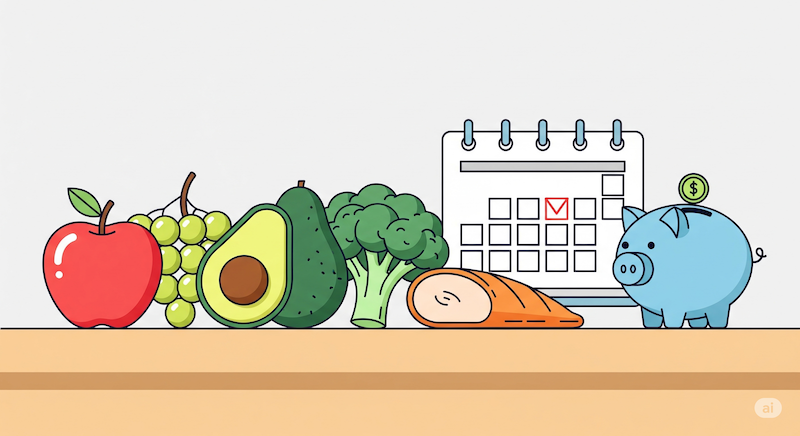
10 Genius Ways to Eat Clean—Even If You’re Busy or On a Budget
Let’s be honest—we’ve all been there. You want to eat healthier, but between juggling work deadlines, family commitments, and a tight budget, clean eating feels like an impossible dream. You scroll through Instagram looking at those picture-perfect meal prep posts and think, “Who has time for all that?”
Here’s the truth: clean eating tips don’t have to be complicated or break the bank. With the right strategies, you can maintain a healthy eating busy lifestyle without spending hours in the kitchen or draining your savings account. Whether you’re a busy parent, a workaholic, or someone trying to make every dollar count, these 10 genius tips will revolutionize your approach to clean eating.
Quick Swaps and Hacks for Eating Clean During a Busy Schedule
Master the 5-Minute Meal Prep Hack
Forget spending entire Sundays meal prepping. Instead, use the “component cooking” method. Spend just 5 minutes each morning preparing one component of your meals—wash and chop vegetables, cook a batch of quinoa, or hard-boil a few eggs. By the end of the week, you’ll have a mix-and-match system that creates endless healthy combinations.
Pro tip: Keep pre-washed greens, cooked grains, and protein sources in clear containers. When you’re rushing, you can literally grab and go!
Turn Your Freezer Into Your Personal Fast-Food Restaurant
Stock your freezer with clean eating shortcuts: frozen vegetables (just as nutritious as fresh!), pre-cooked brown rice packets, frozen wild-caught fish, and smoothie packs. These ingredients cook faster than fresh alternatives and eliminate the “nothing healthy to eat” excuse.
Game-changer: Make double portions when you do cook, then freeze half in single-serving containers. Future you will thank present you!
Use the “One-Pan Wonder” Strategy
Sheet pan meals are your secret weapon for healthy eating busy lifestyle success. Toss vegetables, protein, and healthy fats on one pan, season, and bake. Twenty minutes later, you have a complete, nutritious meal with minimal cleanup.
Easy formula: Non-starchy vegetables + lean protein + healthy fat + herbs/spices = perfect clean eating meal in under 30 minutes.
Create “Grab-and-Go” Clean Snack Stations
Dedicate one day a week to creating healthy snack portions. Wash and cut vegetables, portion nuts into small containers, and prepare homemade energy balls. Having clean snacks ready prevents vending machine disasters and fast-food detours.
Smart storage: Use clear containers and keep healthy snacks at eye level in your fridge and pantry—you’ll naturally reach for what you see first.
Embrace the Power of “Ingredient Swapping”
You don’t need to overhaul your entire diet. Start with simple swaps that save time and boost nutrition: cauliflower rice instead of regular rice (cooks in 5 minutes!), spiralized vegetables instead of pasta, Greek yogurt instead of sour cream, and avocado instead of mayo.
Time-saver: Buy pre-spiralized vegetables and riced cauliflower from the store—sometimes convenience is worth the extra cost for busy weeks.
Budget-Friendly Clean Eating Strategies
Shop Like a Seasonal Pro
Budget clean eating starts with understanding seasonal produce cycles. In-season fruits and vegetables can cost 50-70% less than out-of-season options. Summer means cheap berries and tomatoes; fall brings affordable squash and apples; winter offers budget-friendly citrus and root vegetables.
Money-saving tip: Buy seasonal produce in bulk and freeze what you can’t eat fresh. A $5 flat of strawberries in June can provide smoothie ingredients for months!
Make Plant Proteins Your Budget Best Friend
Beans, lentils, and chickpeas cost pennies per serving compared to meat, yet they’re packed with protein, fiber, and nutrients. A can of black beans costs around $1 and provides 3-4 servings of protein—try getting that value from chicken breast!
Protein hack: Buy dried beans and lentils in bulk, then cook large batches in a slow cooker or pressure cooker. Freeze portions for instant protein additions to any meal.
Master the Art of “Cooking Once, Eating Thrice”
Transform one base ingredient into multiple meals throughout the week. Roast a whole chicken on Sunday, then use it for chicken salad Monday, chicken soup Tuesday, and chicken stir-fry Wednesday. This approach maximizes your food budget while minimizing cooking time.
Versatile base foods: Roasted vegetables, cooked grains, hard-boiled eggs, and baked sweet potatoes can be transformed into countless different meals with simple seasoning changes.
Shop the “Clean 15” and Strategic Organic Purchases
You don’t need to buy everything organic to eat clean on a budget. Focus your organic dollars on the “Dirty Dozen” (foods with highest pesticide residues) and buy conventional versions of the “Clean 15” (foods with lowest pesticide residues). This strategy can cut your organic grocery bill in half.
Smart shopping: Prioritize organic for thin-skinned fruits, leafy greens, and berries. Save money by buying conventional bananas, avocados, pineapples, and sweet potatoes.
Become a “Loss Leader” Shopping Expert
Grocery stores use certain items as “loss leaders”—products sold at a loss to attract customers. These are often healthy staples like eggs, chicken, or seasonal produce. Plan your meals around these weekly specials and stock up when prices are lowest.
Pro strategy: Follow your local stores on social media or sign up for their apps to get first notification of sales. When organic chicken goes on sale, buy extra and freeze it.
Busting the “Clean Eating is Expensive” Myth
Let’s tackle this misconception head-on with some real numbers:
Myth: “Healthy food costs more than junk food.”
Reality: A bag of chips ($3.99) provides about 3 servings. A bag of apples ($3.99) provides 8-10 servings. Which is really more expensive per serving?
Consider these budget comparisons:
- Fast food burger meal: $8-12 per person
- Homemade clean eating meal: $3-5 per person (including protein, vegetables, and whole grains)
- Pre-packaged snacks: $0.50-$1.00 per serving
- Homemade trail mix: $0.25-$0.40 per serving
The initial grocery investment might seem higher, but the cost per meal is significantly lower. Plus, you’re investing in your long-term health, potentially saving thousands in medical costs down the road.
The real cost of processed food: Beyond the immediate expense, processed foods often leave you hungry sooner, leading to more frequent purchases. Clean, whole foods provide better satiety and sustained energy, naturally reducing your overall food costs.
Making It All Work Together
The beauty of these strategies lies in how they complement each other. When you shop seasonally (#6), you can stock up and meal prep (#1). When you master one-pan meals (#3), you can double recipes for future meals (#8). Each tip builds on the others, creating a sustainable system for healthy eating on a budget.
Remember, you don’t need to implement all 10 strategies at once. Start with 2-3 that resonate most with your current situation. Maybe you begin with seasonal shopping and simple swaps, then gradually add meal prep and bulk cooking as these habits become natural.
The goal isn’t perfection—it’s progress. Every small change moves you closer to a lifestyle where clean eating feels effortless and affordable, not overwhelming and expensive.
Your Clean Eating Success Formula
Clean eating success on a busy schedule and tight budget comes down to three key principles:
- Plan with purpose: Spend 10 minutes weekly planning meals around sales and your schedule
- Prep with efficiency: Use small pockets of time for component preparation rather than marathon cooking sessions
- Shop with strategy: Focus on versatile, seasonal ingredients that can create multiple meals
These clean eating tips prove that a healthy lifestyle doesn’t require a personal chef’s budget or a stay-at-home parent’s schedule. With smart strategies and simple swaps, anyone can maintain a healthy eating busy lifestyle while practicing budget clean eating.
The most expensive meal is the one that makes you sick. The most time-consuming cooking is starting over every day without a plan. Invest a little time and thought now, and you’ll save both money and time in the long run—while feeling amazing in the process!
Ready to Transform Your Clean Eating Game?
Don’t let another week pass struggling with expensive, time-consuming meal decisions. Get our comprehensive Clean Eating Swaps Guide and discover 50+ simple ingredient substitutions that will save you time, money, and stress in the kitchen.
Inside the guide, you’ll find:
- Quick reference chart for healthy ingredient swaps
- Budget-friendly alternatives to expensive superfoods
- Time-saving shortcuts for busy weeknight cooking
- Shopping lists organized by season and budget
- Meal planning templates that actually work
Download Your Free Clean Eating Swaps Guide Now!
Join thousands of busy people who’ve discovered that clean eating can be simple, affordable, and delicious. No spam, just practical tips delivered to your inbox.


